How to Choose a QuickBooks ProAdvisor Who Won't Just Set It and Leave
Quick Summary: A QuickBooks ProAdvisor is an Intuit-certified accounting professional — not just anyone who's "used QuickBooks a lot." This guide covers what the certification actually tests, the different tiers, how it differs from a QuickBooks Solution Provider, and the specific questions to ask before hiring one. Written for business owners currently evaluating QuickBooks help. Book a free consultation →
If you've searched "QuickBooks help near me" or "QuickBooks consultant," you've probably noticed the same word attached to half the results: ProAdvisor. It gets used loosely — on LinkedIn bios, freelance profiles, and agency homepages — which makes it hard to tell who's actually certified and who just picked up the term because it sounds official.
Certum Solutions has held Elite ProAdvisor status for years and has been a ProAdvisor since 2012 and sits in the top of QuickBooks ProAdvisors nationally, with 13+ Intuit awards including 2022 Trailblazer of the Year. That's not a reason to take our word for it — it's the reason we know exactly what the credential does and doesn't guarantee, and where business owners get misled.
This guide is written for U.S.-based business owners evaluating QuickBooks support in 2026 — whether you're hiring your first bookkeeper, replacing one who isn't working out, or trying to figure out why three different "QuickBooks experts" quoted you three different things.
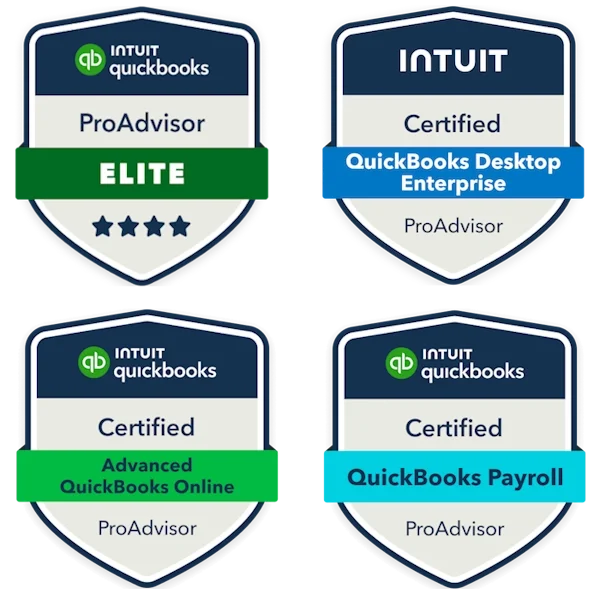
What Is a QuickBooks ProAdvisor, Exactly?
A QuickBooks ProAdvisor is an accounting or bookkeeping professional who has passed Intuit's official certification exam through QuickBooks Online Accountant (QBOA). It's a real, verifiable credential — not a self-assigned title. The certification tests QuickBooks-specific skills: setup, bank feeds, reconciliations, reporting, payroll basics, and troubleshooting.
Being a ProAdvisor doesn't automatically make someone a good bookkeeper or accountant — it verifies software competency. The strongest providers pair that certification with real accounting credentials or years of hands-on bookkeeping experience. Certification alone tells you they know the software; it doesn't tell you they know your books.
What the ProAdvisor Certification Actually Requires
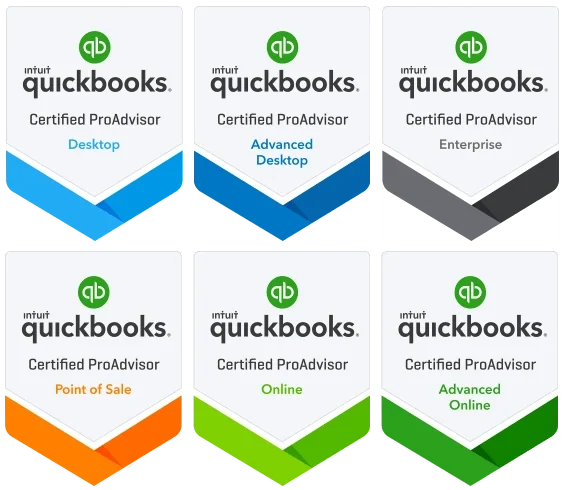
The certification itself is free to sit and administered through QBOA. It requires passing a proctored exam and annual recertification to keep the credential current — Intuit updates the exam as QuickBooks features change, so an active ProAdvisor is (in theory) current on the platform, not running on knowledge from three product updates ago.
That recertification requirement is worth asking about directly: a ProAdvisor who certified once in 2019 and never touched the exam again is not staying current with a product that ships new features constantly.
ProAdvisor vs. Solution Provider vs. Certified User — What's the Difference?
These three terms get used interchangeably, and they shouldn't be:
| Credential | What It Actually Means |
|---|---|
| QuickBooks Certified User | Entry-level proficiency badge; anyone can sit for it, including non-accountants |
| QuickBooks ProAdvisor | Intuit-certified accounting/bookkeeping professional who advises clients on setup, use, and troubleshooting |
| QuickBooks Solution Provider (QSP) | An authorized reseller channel for purchasing QuickBooks licenses at partner pricing — a sales relationship, not a services credential |
A firm can hold all three, and that's a genuine strength — it means you can buy the software and get advisory support from the same team. But they answer different questions. If someone's talking to you only about license pricing and discounts, you're talking to the Solution Provider side of the relationship, not necessarily someone qualified to advise on your books. See our full breakdown of what a Solution Provider does →
The Certification Tiers, and Why They Matter
Not all ProAdvisor certifications cover the same ground. Intuit offers tiered certifications, and the tier someone holds tells you what they're actually qualified to help with:
| Tier | What It Covers |
|---|---|
| QuickBooks Certification | Core QuickBooks Online setup and use |
| QuickBooks Advanced Certification | Complex workflows, multi-entity considerations, advanced troubleshooting |
| QuickBooks Enterprise Solutions Certification | QuickBooks Desktop Enterprise specifically |
| QuickBooks Point of Sale Certification | Retail/POS-specific, exclusive to specialists in that area |
If your business runs QuickBooks Enterprise and the person you're talking to only holds the base-level certification, that's worth a direct question before you sign anything.
What a Good ProAdvisor Actually Does for Your Business
Beyond fixing what's broken, a ProAdvisor certified team can:
Set up your chart of accounts and workflows correctly the first time, instead of you paying to un-do a DIY setup later
Flag underused features specific to your industry (job costing, inventory tracking, class tracking) before you ask
Advise on new releases and when an upgrade actually matters for your business versus when it's noise
Coordinate specialized support — inventory, payroll, tax — through a connected network rather than referring you out cold
Not sure if your current QuickBooks setup is actually doing what it should? →
Individual Consultant vs. a ProAdvisor Firm
This is the first real decision once you've confirmed someone is legitimately certified. An individual consultant can be a great fit for a small, simple file — but if that person is out sick, on vacation, or leaves the industry, your support goes with them.
A firm spreads that risk: if one team member is unavailable, someone else who already knows your file can step in. Firms also tend to have certified specialists across more areas — inventory, payroll, tax — rather than one generalist trying to cover everything.
How to Actually Vet a ProAdvisor Before You Hire One
Don't just take "I'm a ProAdvisor" at face value. Ask:
Which certification tier do you hold, and is it current for this year? (Recertification lapses happen.)
Can you show me your listing on Intuit's Find-a-ProAdvisor directory?
What's your experience with businesses my size, in my industry?
If my primary contact is unavailable, who else on your team can pick up my file?
Can I see client reviews, not just a testimonial you selected?
Red Flags: When "ProAdvisor" Doesn't Mean What You Think
The person can't tell you which certification tier they hold, or gets vague about it
They've never recertified and can't say when they last did
They're only interested in selling you a license, not talking about your actual workflows
No verifiable reviews, or reviews that read like they were written by the same person
They guarantee a fix without ever having seen your actual file
Is a ProAdvisor the Right Fit for You?
Certum's honest take — ProAdvisor support makes sense if:
Your books are inaccurate, or you don't trust the numbers you're looking at
You're setting up QuickBooks for the first time and want it done right, not fixed later
You're outgrowing what a generalist bookkeeper can handle
It's probably not what you need if:
Your issue is a broken or corrupted file rather than incorrect data — that's a file repair problem, not a bookkeeping one
You just need someone to enter transactions with no advisory component — a data-entry bookkeeper may be more cost-effective than full ProAdvisor-level support
FAQ Section:
What is a QuickBooks ProAdvisor?
A QuickBooks ProAdvisor is an accounting or bookkeeping professional certified by Intuit through a proctored exam covering QuickBooks setup, use, and troubleshooting. It's a verifiable credential, not a self-applied title.
Is QuickBooks ProAdvisor certification free?
Yes. The certification exam itself is free to sit through QuickBooks Online Accountant. There's no cost to become certified, though annual recertification is required to keep it current.
What's the difference between a ProAdvisor and a QuickBooks Solution Provider?
A ProAdvisor is a certified advisory credential for the person helping you use QuickBooks. A QuickBooks Solution Provider is an authorized partner channel for purchasing licenses at partner pricing. Certum holds both, but they answer different questions — one's about advice, the other's about buying the software.
What's the difference between a Certified QuickBooks User and a ProAdvisor?
A Certified User credential is entry-level and open to anyone, including non-accountants. A ProAdvisor certification is specifically for accounting and bookkeeping professionals and covers more advanced, client-facing scenarios.
What are the QuickBooks ProAdvisor certification tiers?
There are four: QuickBooks Certification (core), QuickBooks Advanced Certification, QuickBooks Enterprise Solutions Certification, and QuickBooks Point of Sale Certification (retail-specific).
Do ProAdvisors have to recertify?
Yes, annually. Intuit updates the exam as QuickBooks changes, so a ProAdvisor's current certification date is a reasonable proxy for how current their platform knowledge actually is.
Should I hire an individual ProAdvisor or a firm?
A firm reduces the risk of losing support if one person is unavailable, and typically has certified specialists across more areas — inventory, payroll, tax — rather than one generalist covering everything.
How much does it cost to work with a QuickBooks ProAdvisor?
Cost varies by scope — a one-time setup, an ongoing bookkeeping engagement, or a full-file cleanup are priced differently. Get a custom quote rather than assuming a flat rate.
How do I verify someone's ProAdvisor certification is real?
Search or ask to see their listing on Intuit's official Find-a-ProAdvisor directory, which lists certification tier and location.
Is a ProAdvisor the same as an accountant or CPA?
No. ProAdvisor certification verifies QuickBooks software proficiency, not accounting credentials. Some ProAdvisors are also CPAs or Enrolled Agents; others are bookkeepers without those separate credentials. Ask which applies to the specific person or team you're evaluating.